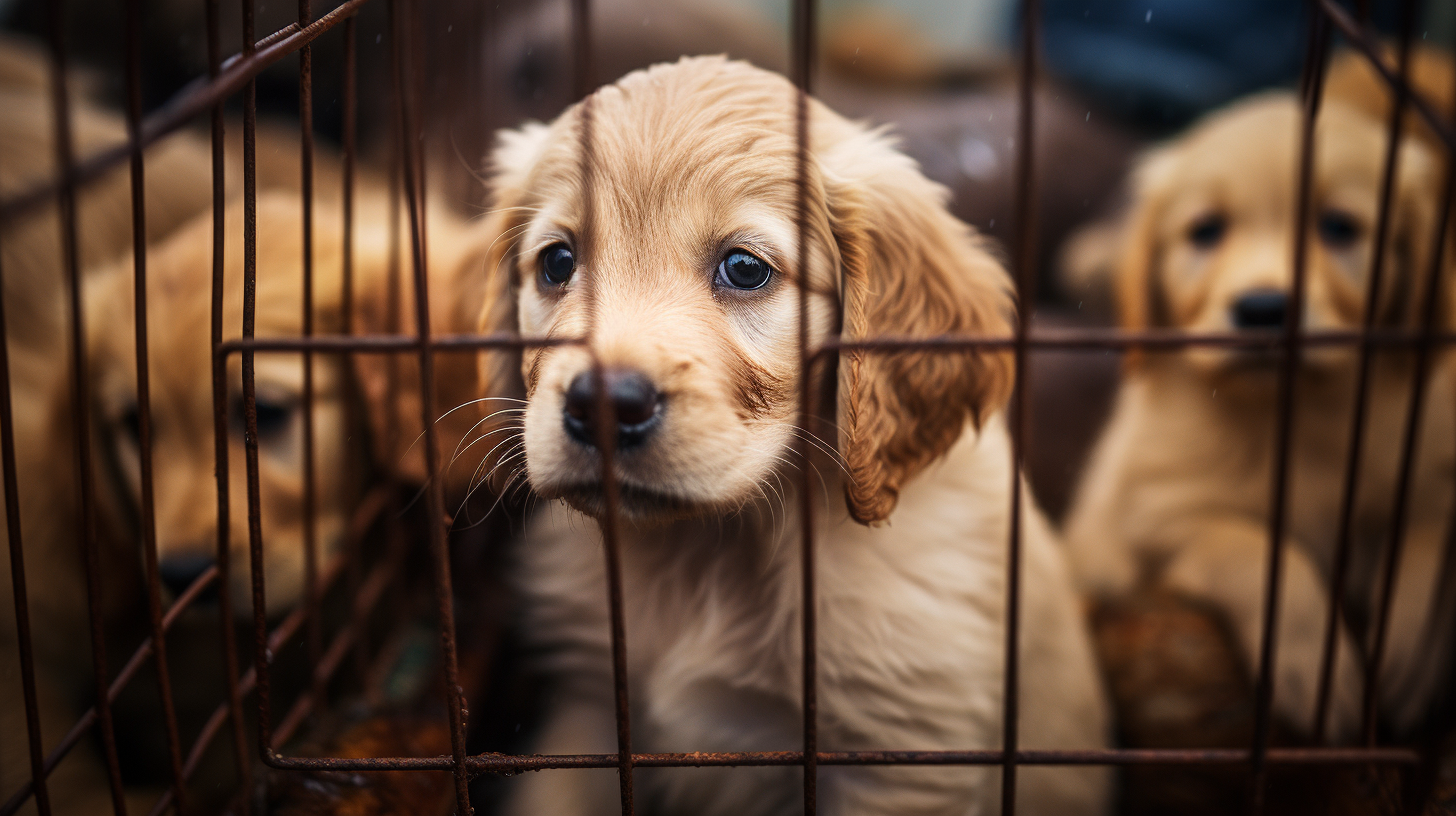
Each year, the Horrible Hundred report is released to spotlight the worst commercial dog breeders in the United States. Published by Humane World for Animals (formerly the Humane Society of the United States), the report reveals heartbreaking violations in breeding operations that prioritize profit over compassion.
At Farmstead Puppies, we’re committed to the exact opposite: ethical, small-scale breeders who raise healthy, well-socialized puppies in clean, humane environments. Today, we’re breaking down the key takeaways from the 2025 report—and why it underscores the importance of doing things the right way.
📘 What Is the Horrible Hundred Report?
Now in its 13th year, the Horrible Hundred documents 100 of the worst puppy mills and breeders in the country. These aren’t just minor infractions. These are operations cited for:
- Keeping dogs in filthy, overcrowded cages
- Failing to provide vet care for sick or injured animals
- Leaving animals in extreme heat or cold
- Selling puppies to major retailers despite repeat violations
Disturbingly, many of these breeders are still licensed by the USDA and actively selling puppies to pet stores or online—with little to no oversight.
🚨 Key Takeaways from the 2025 Report
- Missouri again tops the list, with 26 problem breeders.
- Other leading states include Ohio (16), Iowa (12), Pennsylvania (11), and New York (11).
- Over 50 breeders remain USDA licensed despite documented animal welfare violations.
- 25 breeders have sold to Petland, the last major U.S. chain still selling puppies.
- 38 breeders are repeat offenders from prior reports.
🧯 A Real Example: Lorna Dismang – Indian Ridge Kennel, Missouri
One of the most disturbing cases in the 2025 report is Lorna Dismang, owner of Indian Ridge Kennel / I-R Kennels in Pleasant Hope, Missouri.
In August 2024, USDA inspectors found two bulldogs with severely infected eyes, described as:
“Abnormal-looking with thick yellow discharge and reddened conjunctiva… one squinting in apparent discomfort.”
Despite the seriousness of these findings, the USDA allowed the kennel to simply relicense under a new name at the same address, sidestepping consequences. In total, the facility was housing over 250 dogs and puppies at the time of inspection.
This breeder has a history of selling to Petland and is a textbook example of how the current system allows bad actors to continue operating unchecked.
💛 How Farmstead Puppies Is Different
We were founded to do the exact opposite.
At Farmstead Puppies, we work exclusively with small, ethical Amish and rural breeders who:
- Provide veterinary care and health testing
- Raise puppies in clean, spacious, and socialized environments
- Limit litters and prioritize the health of the parent dogs
- Offer health guarantees and post-adoption support
We rigorously vet our breeder partners, many of whom are family-run operations where dogs are raised alongside children, not kept in wire cages.
We will never list or recommend any breeder with a history of abuse or USDA violations.
🕵️♀️ How to Protect Yourself and the Puppies
If you’re searching for a puppy, here are red flags to avoid:
❌ You can’t speak directly with the breeder
❌ Puppies are offered in bulk with no specialization
❌ There’s no mention of health checks or guarantees
❌ Instant nationwide shipping is available, no questions asked
❌ The breeder is featured on Petland or a high-volume site without transparency
Ask questions. Request photos. Visit if possible. And always demand documentation.
🔗 The Bigger Picture—and a Brighter Future
The 2025 Horrible Hundred report is painful to read—but it serves as a reminder of why ethical breeding matters. It’s also a call to action for families who want to bring home a puppy without unknowingly supporting cruelty.
At Farmstead Puppies, we connect you with breeders who care, who do things right, and who raise puppies the way they should be—on clean farms, with fresh air, and lots of love.
🐾 [Browse Puppies] | 📩 [Contact Us] | 🐕 [Learn About Our Breeders]
📚 Read the full report: Download the Horrible Hundred 2025 (Breeder List)
Together, we can raise the standard—and protect the puppies who deserve better.